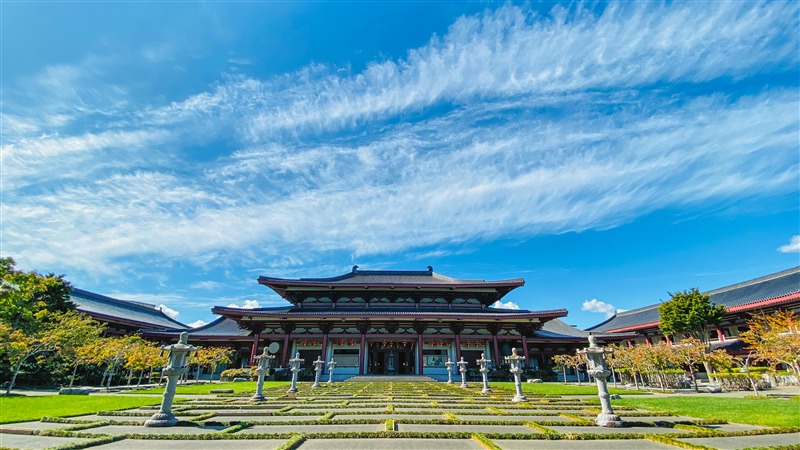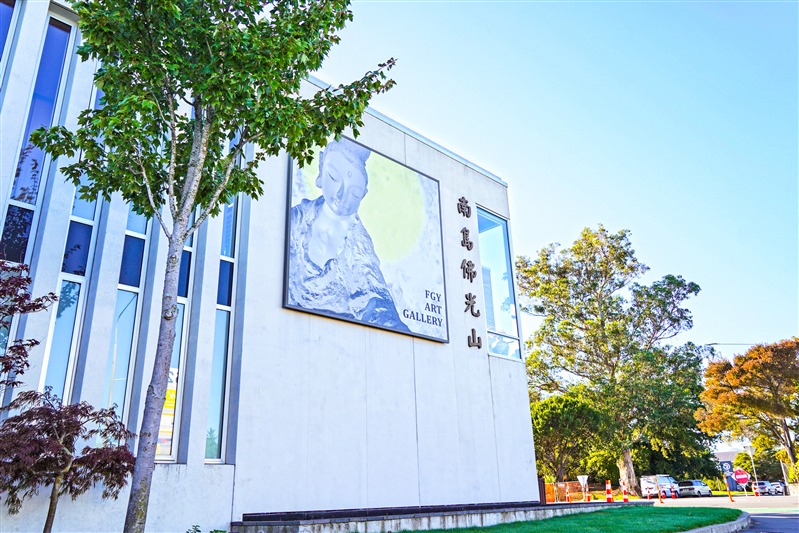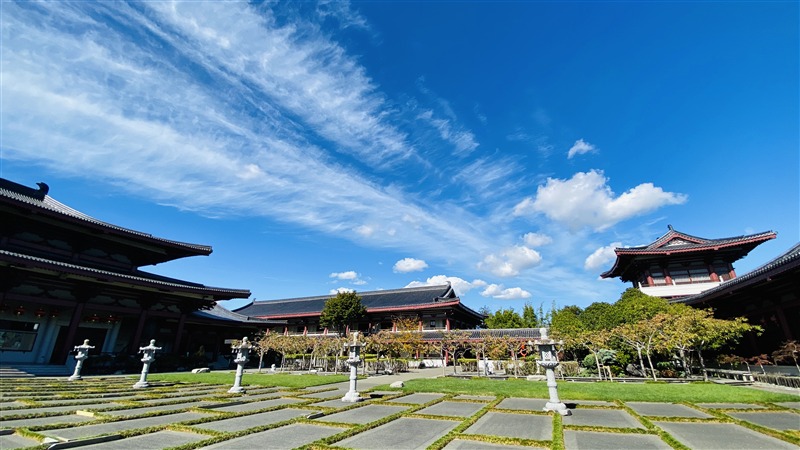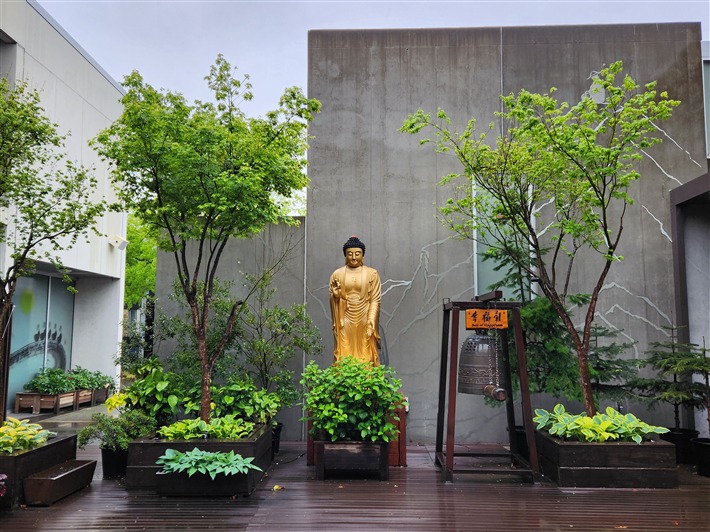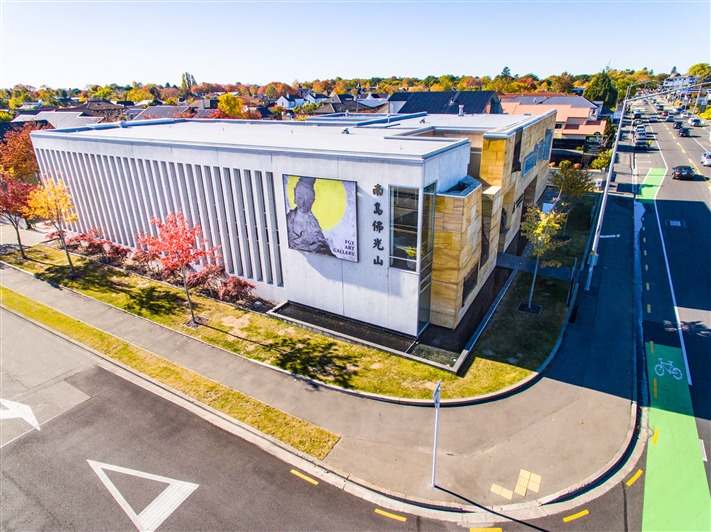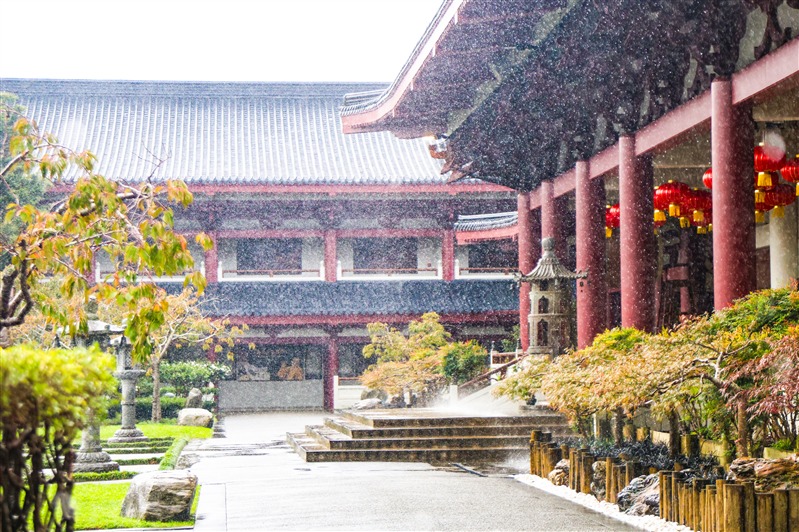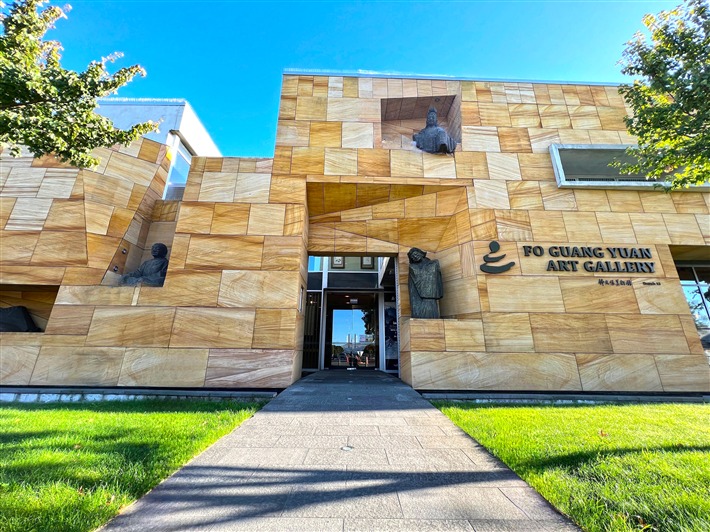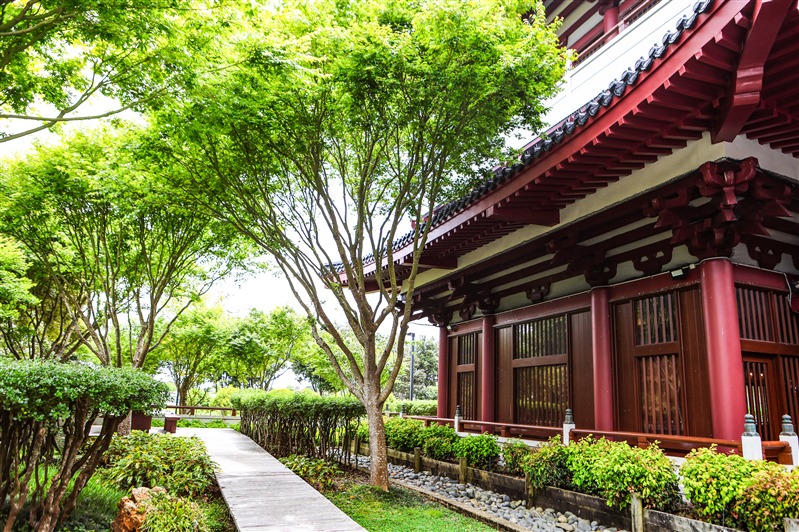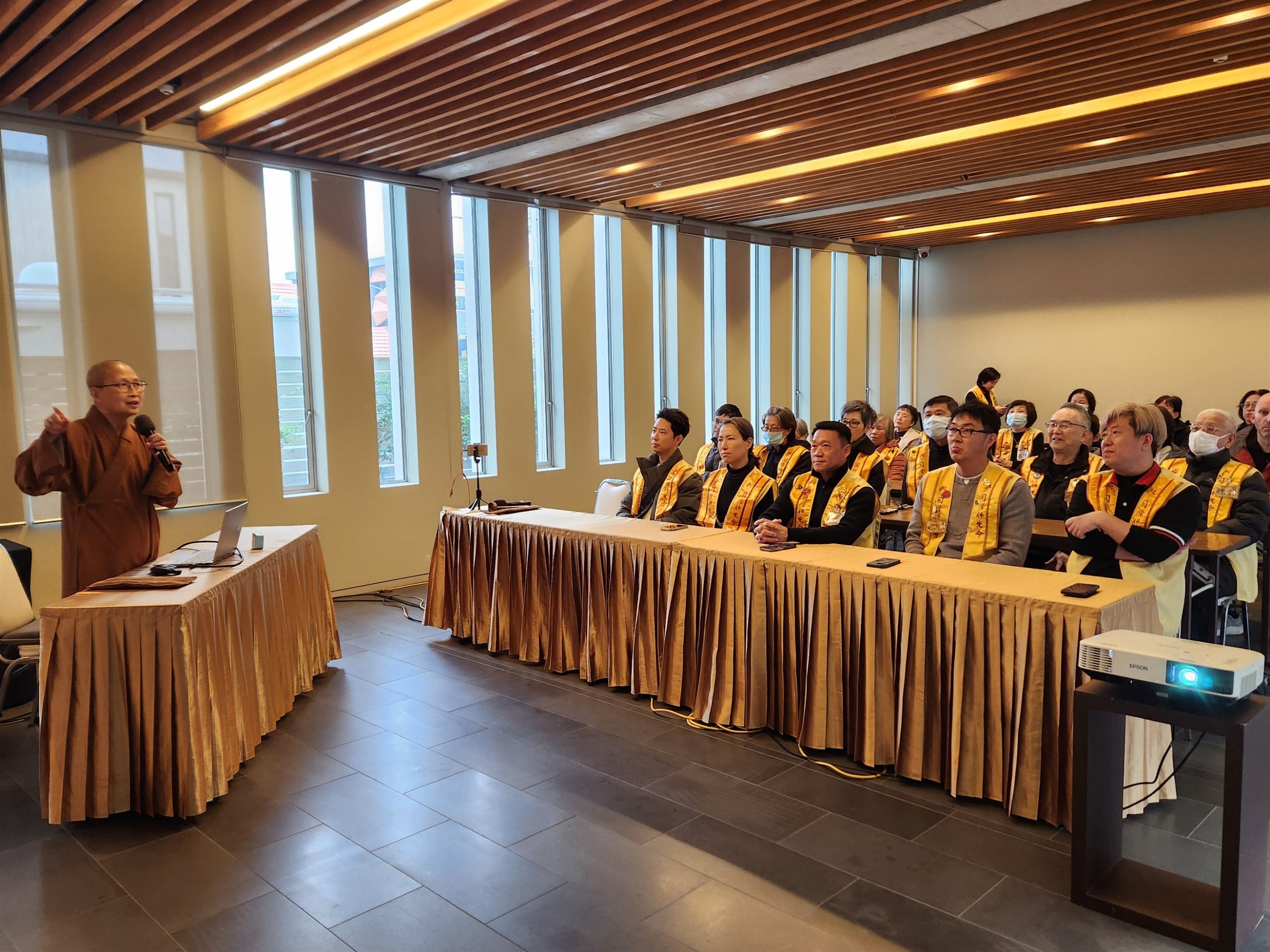
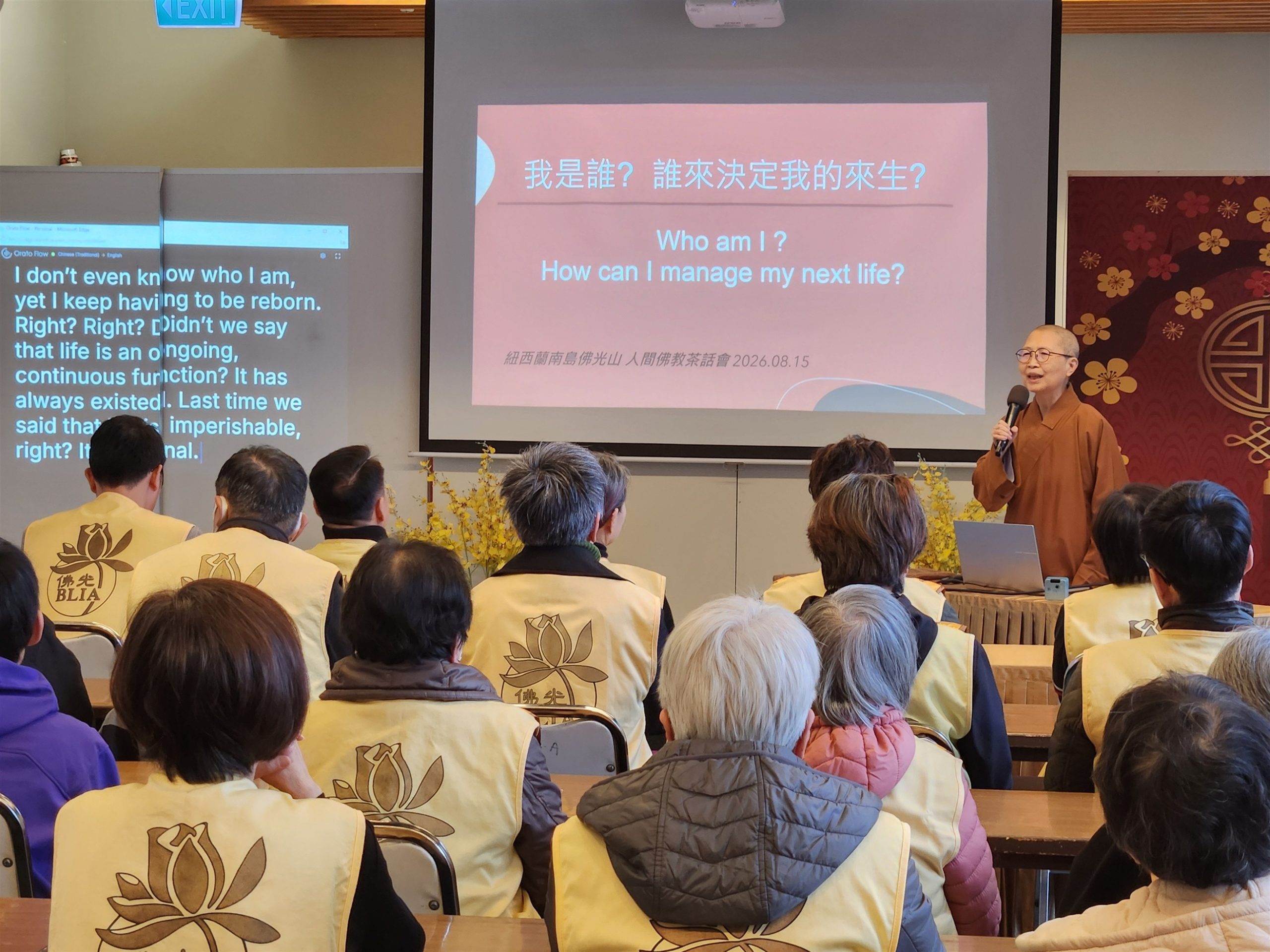
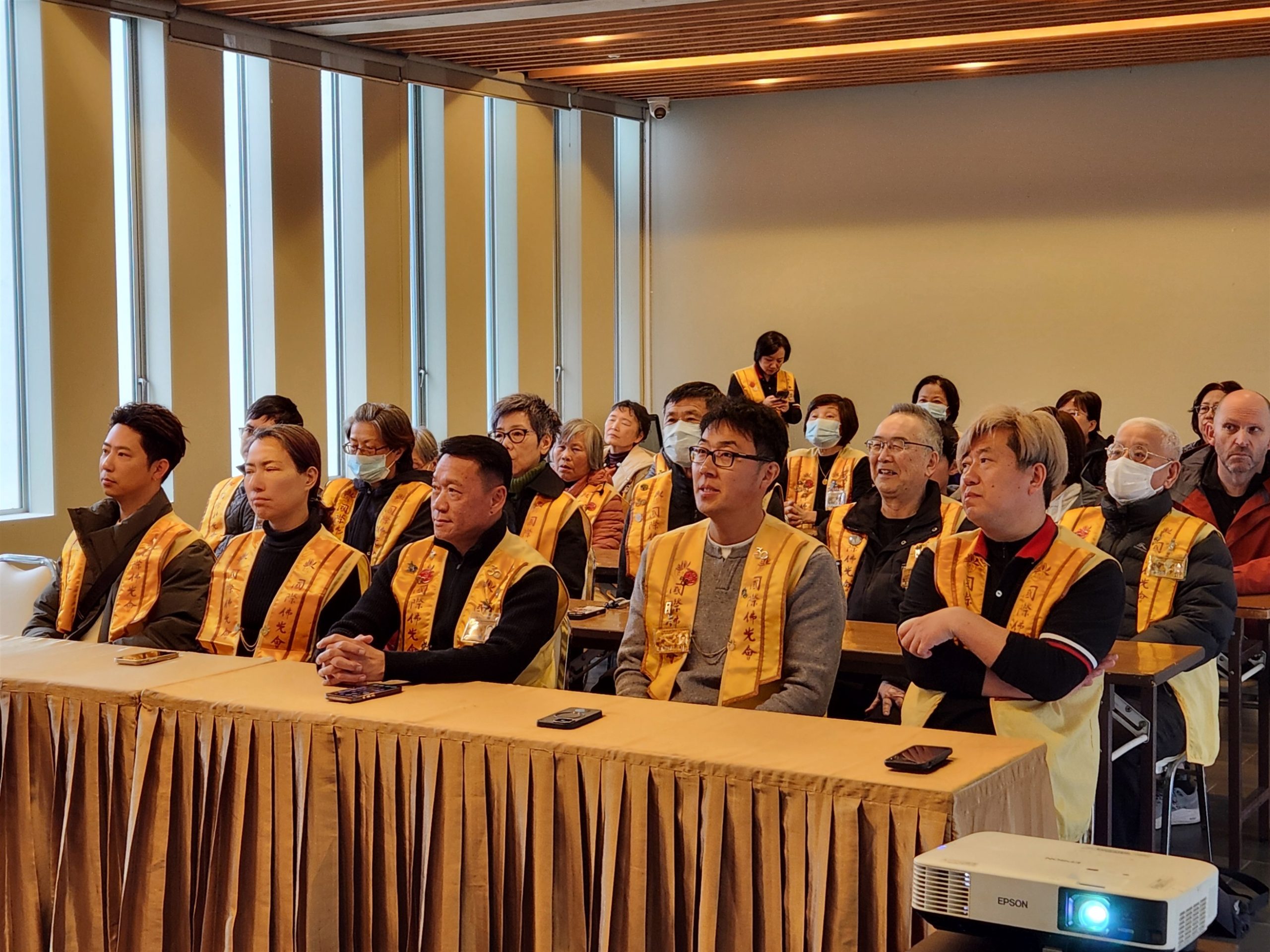
On 15 August 2026, BLIA South Island held a Humanistic Buddhism Tea Gathering at Fo Guang Shan Christchurch. Minister in Charge of FGS Christchurch Venerable Juexi led nearly 40 participants in exploring the theme, Who Am I? Who Determines My Next Life? The session introduced the nature of life and the causes of rebirth from the perspective of Yogācāra (Consciousness-Only). Participants included Chapter Elder Advisor Bernie SIEW, Vice Presidents ZHANG Dong and CAO Qian, as well as committee members.
Venerable Juexi explained that what we considered the self was a temporary combination of the Five Aggregates: form, feeling, perception, mental formations and consciousness. Using the analogy of eight brothers living together in one village, he explained the functions of the Eight Consciousnesses. The first five consciousnesses: eye, ear, nose, tongue and body which receive information from the outside world. The sixth consciousness analysed and judged this information, while the seventh consciousness continually created attachment to the self. The eighth consciousness, Ālayavijñāna or storehouse consciousness, stored the seeds created through our actions of body, speech and mind.
Venerable Juexi explained that the more frequently we repeated a thought or action, the stronger its seed became by using the analogy that boiling sand cannot produce rice to remind participants that spiritual cultivation needs to begin with the right causes in order to produce the right results.
Venerable Juexi also discussed dementia in relation to the Eight Consciousnesses. When the functions associated with the sixth consciousness became impaired, we could experience difficulties in processing information and recalling memories. However, from the Yogācāra perspective, the karmic seeds stored in the eighth consciousness remained. Therefore it is important to cultivate wholesome thoughts and actions while we were physically and mentally able to do so.
Venerable Juexi encouraged participants to develop good habits in daily life, including reading Buddhist scriptures, reciting the Buddha’s name, copying sutras, listening to Dharma teachings and volunteering. Speaking kind words planted wholesome seeds through speech, while observing our thoughts, thinking positively and maintaining right understanding and right views helped cultivate wholesome karmic seeds.
In conclusion, Venerable Juexi reminded participants that we did not need to wait until the next life to change our future. We could begin in the present by changing our actions, habits and thoughts. By gradually letting go of our attachment to the self, cultivating wholesome causes and serving others, we could create positive causes and conditions for better future lives.