The Most Venerable Hsin Bau Calls for a Peaceful and Sustainable Future Through the Wisdom of Dependent Origination
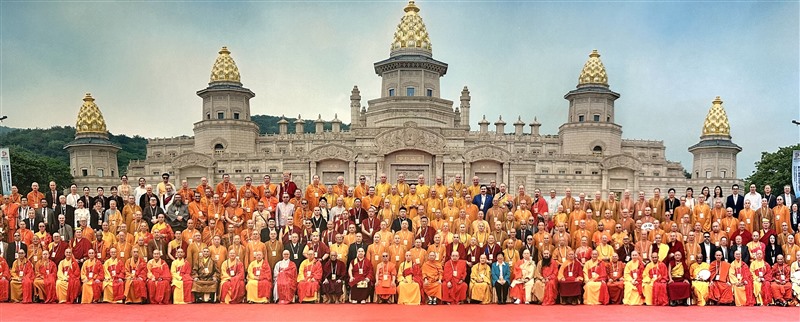
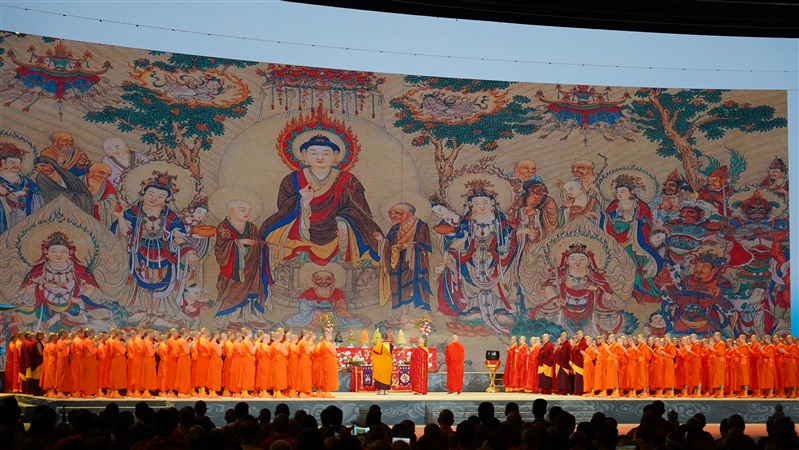
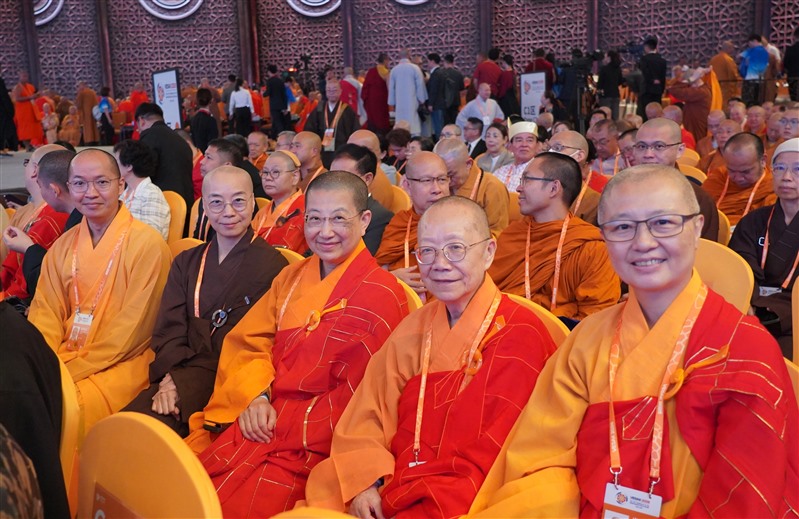
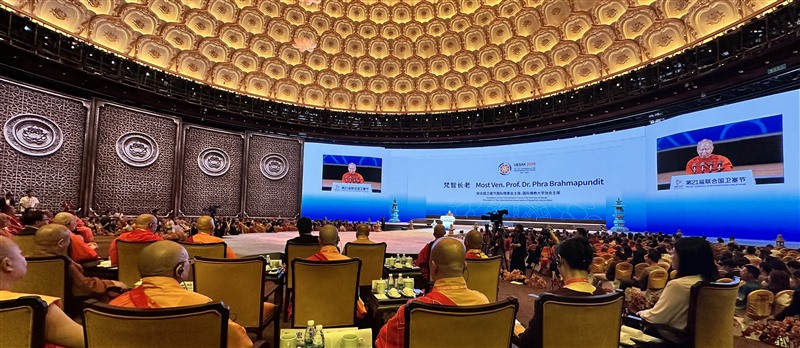
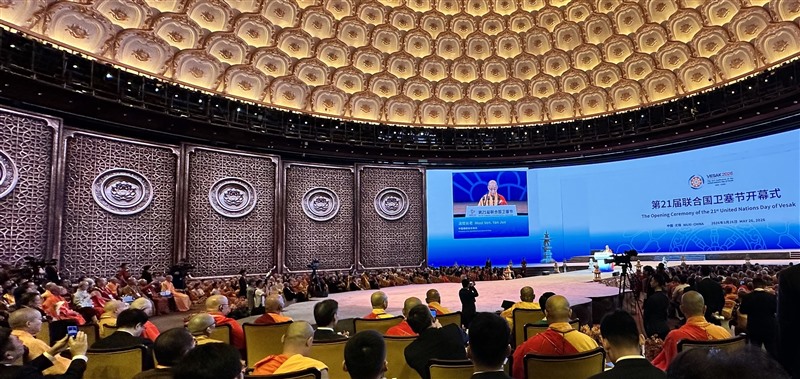
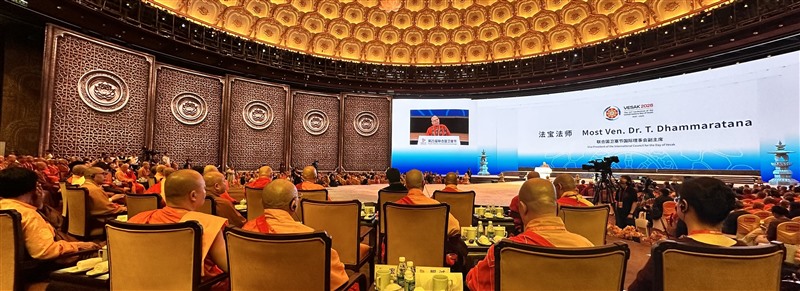
Organised by the International Council for the Day of Vesak and co-organised by the Buddhist Association of China and the Buddhist Association of Jiangsu Province, the 21st United Nations Day of Vesak was successfully held from 25 to 27 May 2026 in Wuxi, Jiangsu Province, China. Thousands of Buddhist leaders, scholars, experts, and distinguished guests from 67 countries and regions across five continents gathered to commemorate the Buddha’s birth, enlightenment, and Parinirvana.
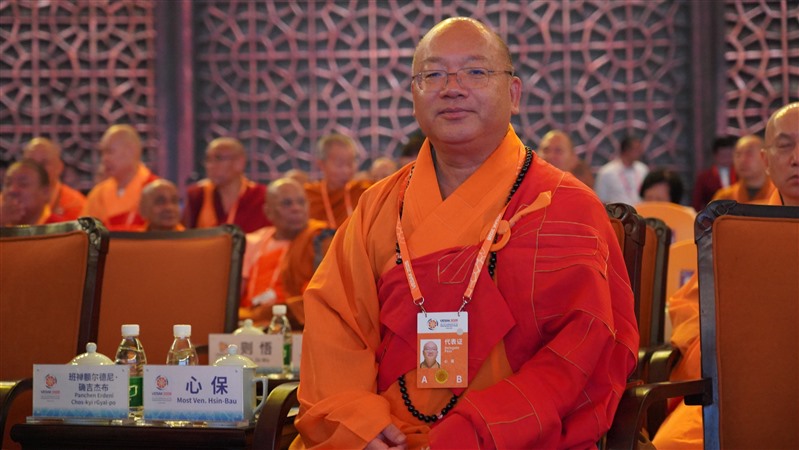
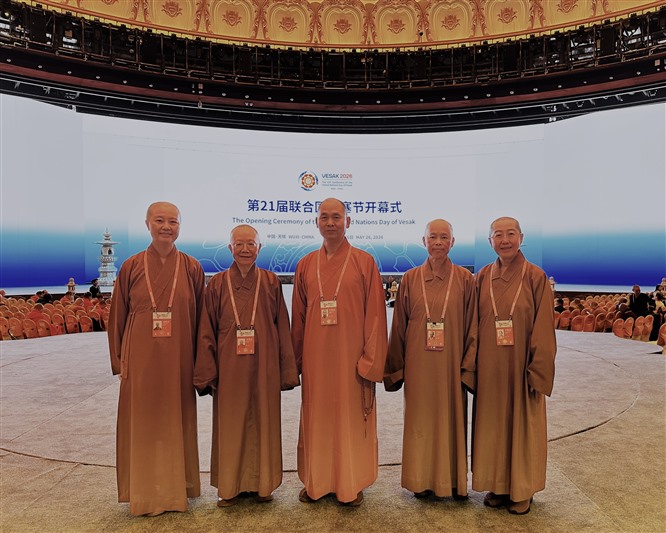
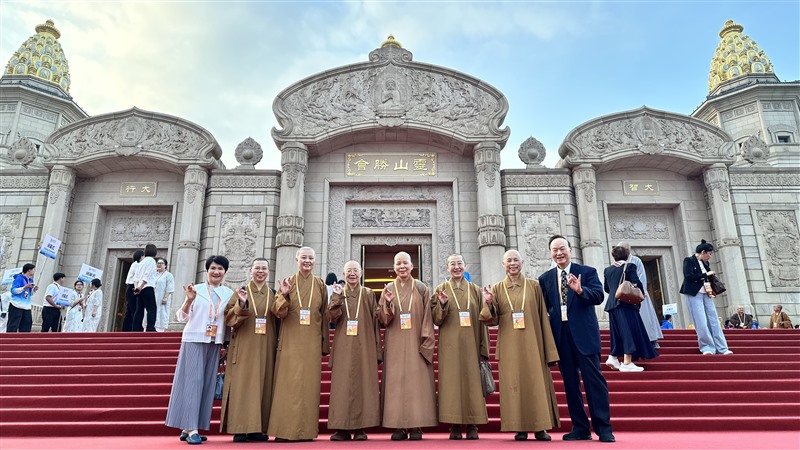
Among those invited to attend were The Most Venerable Hsin Bau, Head Abbot of Fo Guang Shan (FGS); Venerable YiKong, Director of the Fo Guang Shan Institute of Humanistic Buddhism; Venerable ChuehPei, Secretary-General of the Buddha’s Light International Association (BLIA) World Headquarters; Venerable MiaoShi, Executive of Dajue Temple in Yixing, Fo Guang Shan’s Ancestral Temple; Venerable HuiKuan, Supervisor of the Master Hsing Yun Culture and Education Foundation; and Venerable ManLian, Curator of the Hsing Yun Cultural and Educational Centre in Shanghai. Venerable Abbess Manshin of Fo Guang Shan Buddhist Temple New Zealand, was also invited to attend as a representative of New Zealand Buddhism.
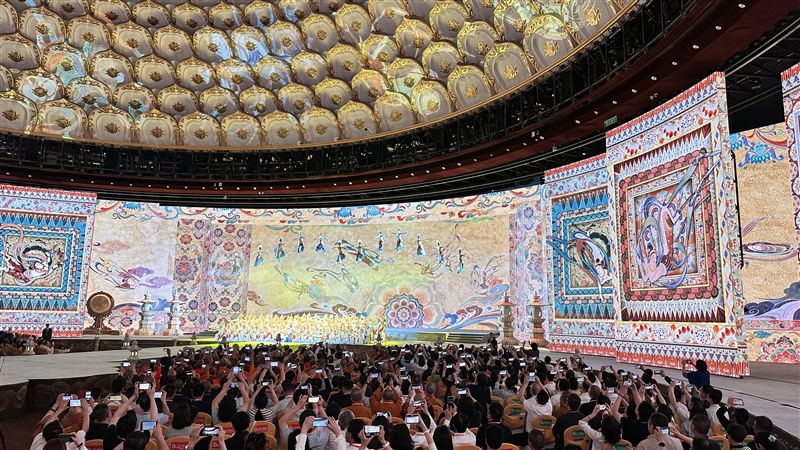
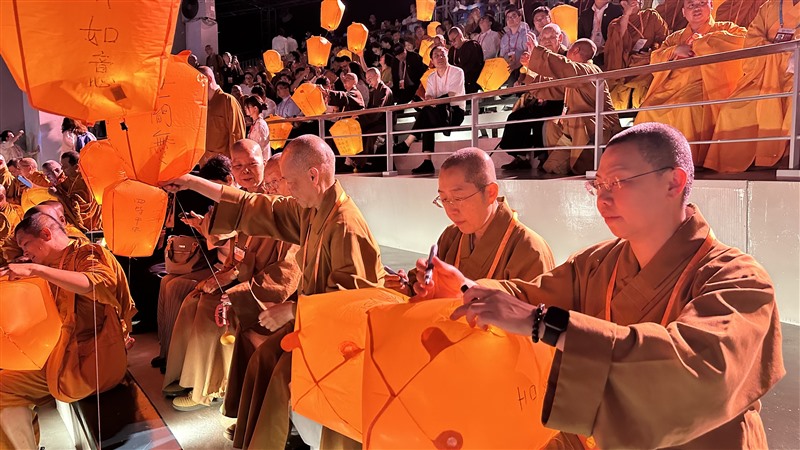
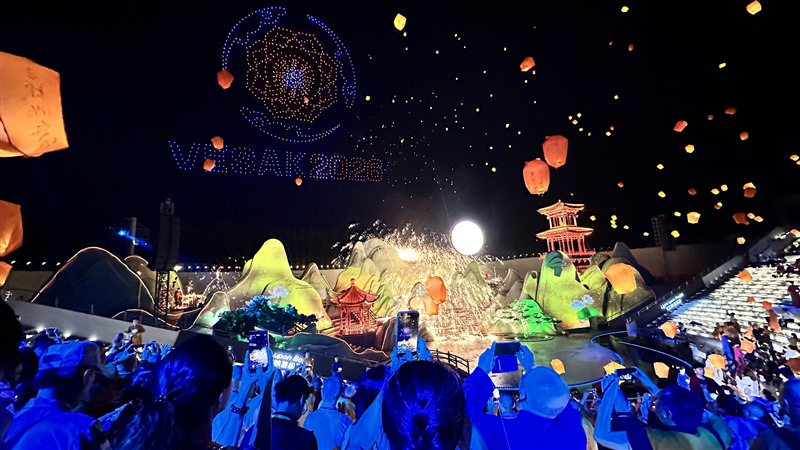
This marked the first time the United Nations Day of Vesak celebration was held in China, marking a significant milestone. Under the theme Buddhist Wisdom in Promoting Global Sustainable Development and Building a Shared Future for Humanity, the event featured an opening and a closing ceremony, keynote speeches, panel discussions, a prayer ceremony for world peace, and cultural performances. The event brought together the shared aspirations of the global Buddhist community for peace and sustainable development.
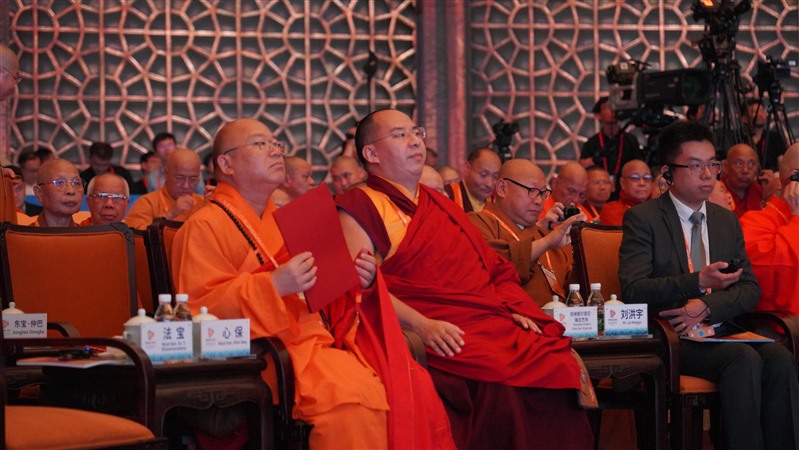
In their addresses, Most Venerable Pro. Dr Phra Brahmapundit, President of the International Council for the Day of Vesak; Most Venerable Yan Jue, President of the Buddhist Association of China; the Panchen Erdeni Chos-kyi rGyal-po; and other eminent Buddhist leaders expressed that, facing the challenges of globalisation, humanity must deepen the spirit of harmony and coexistence, and jointly build a common future for mankind.
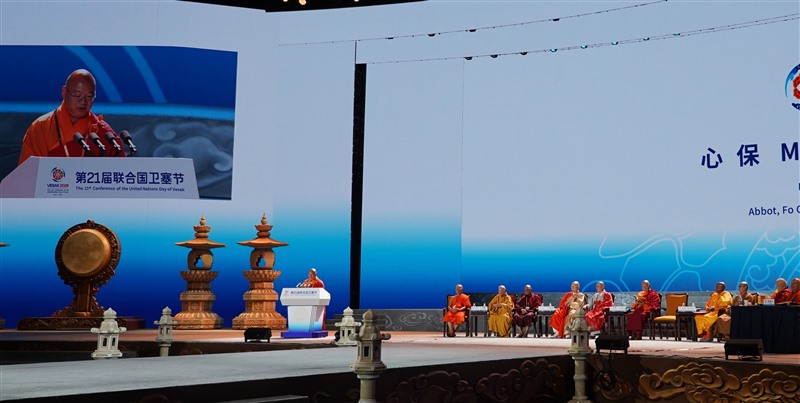
In his keynote speech, The Most Venerable Hsin Bao, Chair of the Fo Guang Shan Religious Affairs Committee and Abbot of Fo Guang Shan, pointed out that today’s world faces difficulties and challenges, such as climate change, regional conflicts, wars, and the wealth gap, no country can remain unaffected. Only by following the Buddha’s wisdom of dependent origination and coexistence, and through unity and cooperation, we will create a better future.
The Most Venerable Hsin Bao used the story of chopsticks as a metaphor for the power of unity, pointing out that a single chopstick is easy to break, while a bunch of chopsticks becomes strong and powerful. All countries around the world should cooperate to confront crises such as the pandemic, climate disasters and wars.
The Most also encouraged the public to practise Do Good Deeds, Say Good Words, and Think Good Thoughts, to resolve opposition and prejudice through kindness, communication, and tolerance, thereby fostering harmony within families and society. He shared three resonances: recognising that we need each other, starting from small actions, and being guided by compassion and wisdom. He hoped that the public would take unity and cooperation as the path, common prosperity and coexistence as the goal, and thrive together towards a world of peace and harmony.
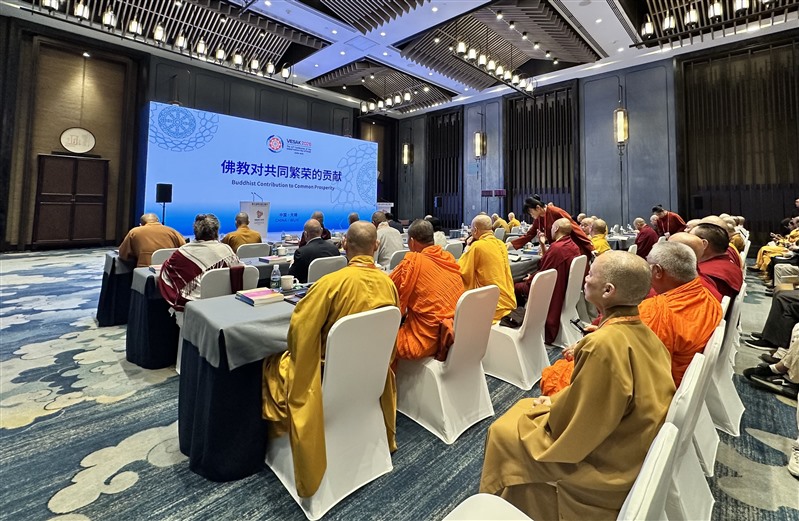
During the panel discussions, guests from various countries engaged in in-depth dialogue on four core topics: Harnessing Buddhist Wisdom for People’s Well-Being, Buddhist Contribution to Common Prosperity, Buddhist Practices in Promoting Green Ecology and Planet Protection, and Buddhist Wisdom for Building Partnerships for Global Sustainable Peace. Crossing national and linguistic boundaries, participants explored how to purify people’s hearts with Buddhist wisdom in the face of global warming, geopolitical conflicts and the challenges of the digital age, achieve coexistence and common prosperity in interdependence, and build consensus for global sustainability and peace.
At the conclusion of the conference, the Wuxi Declaration of the 21st United Nations Day of Vesak declared four commitments: Fortifying the Foundations of Lasting Peace, Practising the Spirit of Selflessness and Altruism, Promoting Harmonious Coexistence Between Humanity and Nature, and Building a Community with a Shared Future for Mankind. It urged Buddhists around the world to join hands, follow the teachings of the Buddha, and work together to safeguard world peace and tranquillity while enhancing the well-being of all beings.